Precision gears for compact mechanisms, motion systems, instruments, and OEM assemblies.
Across our custom gear range, Linner Gears supports module 0.1 to 16 and outside diameters up to 200 mm. The range feasible for a miniature design is confirmed from its drawing or sample. We support customer-supplied material or complete material-and-machining orders.
Gear accuracy can reach JIS grade 4, while gears in the module 0.25–0.8 range can reach JIS grade 3, depending on geometry, material, size, heat treatment, and inspection requirements.
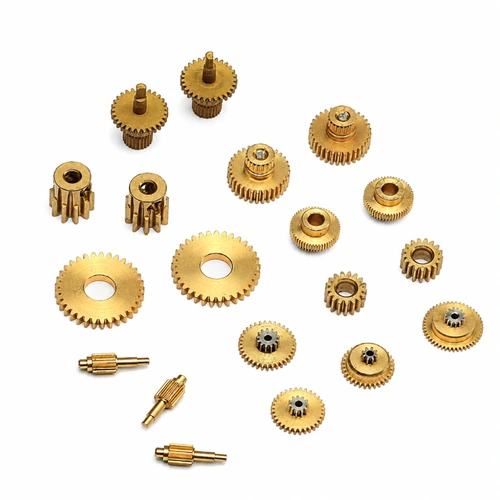
Miniature Gear Types for Custom Projects
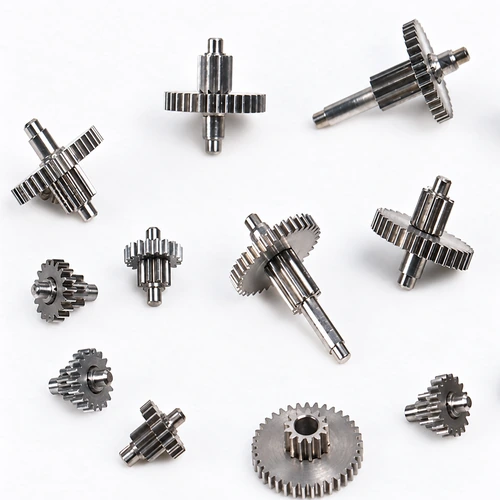
Miniature Spur Gears
Straight-tooth gears for parallel-shaft motion in compact assemblies. Designs can include hubs, bores, key features, shoulders, or integrated shaft details according to the customer drawing.
Helical and Cylindrical Gears
Custom helical, spiral, and cylindrical gears for compact transmission and motion-control assemblies. Tooth direction, helix angle, mating data, bore tolerance, and runout requirements should be included with the RFQ.
Miniature Worm Gears and Worm Shafts
Compact right-angle transmission components for applications requiring speed reduction or controlled motion. Worm and wheel geometry should be reviewed as a mating set whenever possible.
Internal, Sector and Half-Round Gears
Internal ring gears, sector gears, half-round gears, and other partial-tooth components manufactured to customer drawings for compact mechanisms and limited-angle motion.
Custom Gear Capability Range
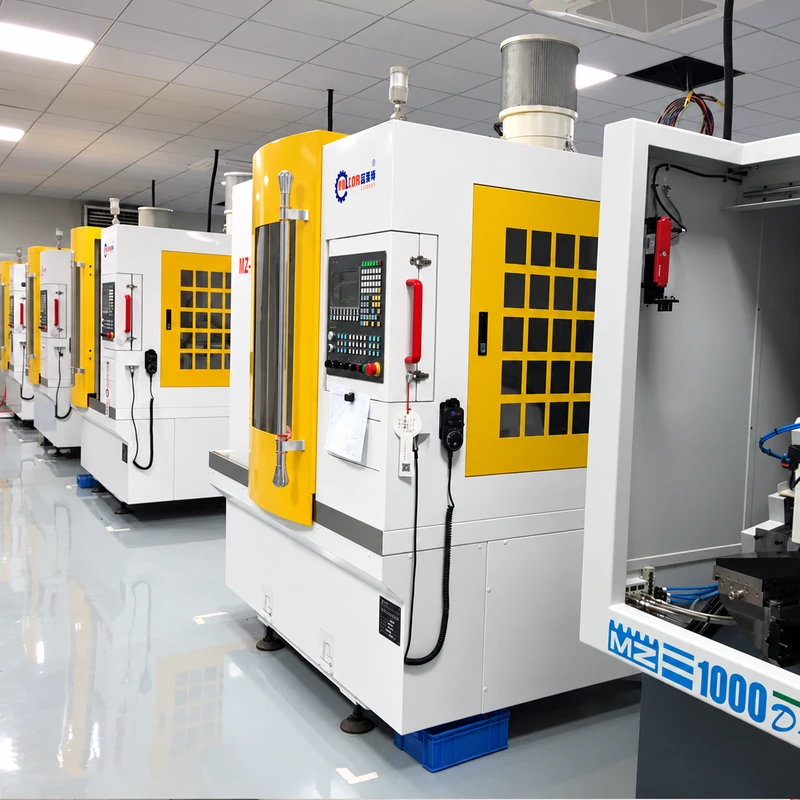
- Module: 0.1–16
- Maximum outside diameter: 200 mm
- Gear accuracy: up to JIS grade 4
- Module 0.25–0.8 accuracy: up to JIS grade 3
- Supply modes: customer-supplied material or complete material-and-machining service
- Input: customer drawings, technical requirements, or physical samples for measurement
- Related components: timing pulleys, gear shafts, internal gears, precision mechanical parts, worm shafts, worm wheels, and gearboxes
Final capability is confirmed after review of the geometry, material, quantity, tolerances, treatment, and inspection requirements.
Materials and Manufacturing Route
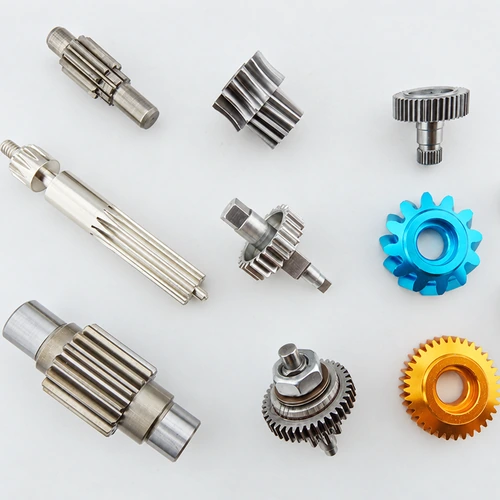
Materials available for production include Cu, 45# steel, POM, S45C, Al, 20CrMnTi, 40Cr, 42CrMo, and 38CrMoAl. The exact grade, condition, heat treatment, and substitute standard must be confirmed against the drawing before quotation.
Linner Gears can process customer-supplied material or provide both material and machining. Where material alternatives are being considered, provide the operating temperature, mating material, lubrication condition, expected load, and service environment.
What We Review Before Manufacturing
- Module or diametral pitch, tooth count and pressure angle
- Outside diameter, face width, bore, hub and shaft features
- Material, heat treatment and surface requirements
- Mating gear data, center distance and backlash
- Runout, concentricity and dimensional tolerances
- Operating speed, torque, duty cycle, lubrication and environment
- Prototype and production quantities
- Inspection reports or documentation required with the order
Quality Checks for Small Gears
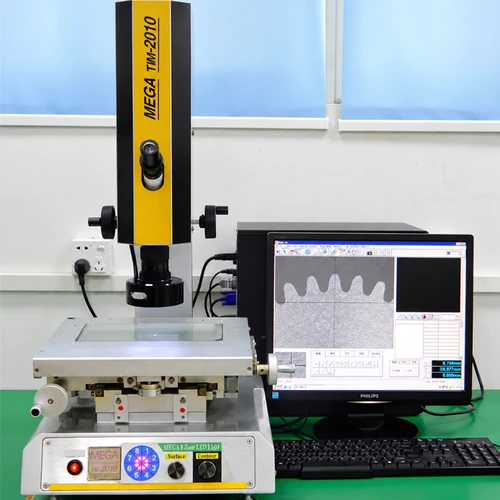
Inspection planning is based on the drawing and the function of the component. Depending on the project requirements, checks may include critical dimensions, bore and outside diameter, runout, concentricity, tooth-related characteristics, and visual condition.
Any required inspection report, material document, sample approval, or batch record should be identified during quotation so it can be included in the production plan.
From Drawing or Sample to Production
1. Share the Requirements
Send the drawing or physical sample together with the material, quantity, tolerances, mating information, and application details available for the project.
2. Engineering Review
We review the gear geometry, critical dimensions, bore tolerances, manufacturing route, quantity, and inspection requirements before confirming the quotation and pricing.
3. Sample or First-Article Validation
Where required, samples or first articles can be checked against the agreed drawing and approval requirements before repeat production.
4. Production and Delivery
Typical delivery is 3–15 working days after the contract takes effect, depending on part complexity, material, quantity, tooling, treatment, and inspection requirements.
Information to Include With Your RFQ
- 2D drawing and, when available, a 3D model
- Gear geometry and mating component information
- Material and treatment requirements
- Critical dimensions and tolerances
- Prototype and annual quantities
- Application, load, speed, and operating environment
- Inspection and documentation requirements
- Target timing
- A physical sample when no complete drawing is available
Files can be emailed to sales@linnergears.com after submitting the inquiry form.
Frequently Asked Questions
Can you manufacture miniature gears from a customer drawing?
Yes. We review custom gear projects from drawings and technical requirements. The quotation depends on geometry, material, tolerances, quantity, inspection requirements, and application information.
Can I send a sample instead of a complete drawing?
Yes. Linner Gears accepts physical samples for measurement and reproduction review. Please also provide the application, mating conditions, material information, quantity, and any known critical tolerances.
How is a custom gear price calculated?
Pricing is based on the gear specification, material, dimensions, tolerances, quantity, tooling, treatment, inspection, and documentation requirements.
What is the typical production lead time?
Typical production lead time is 3–15 working days after the contract takes effect. The exact schedule is confirmed with the quotation.